Local Conditions
The Ground in Pendleton
Flat lake plain clay and till soils along the Tonawanda Creek/Erie Canal corridor, with a generally high water table that limits deep rooting. Soft ground after wet spells means we mat high traffic access paths before equipment moves in.
Weather Here
Pendleton gets less lake effect snow than the Southtowns, averaging roughly 70 to 90 inches a year. We schedule structural pruning ahead of the heaviest ice load weeks so weak limbs do not fail on their own.
The Properties We Work On
Most of what we quote in Pendleton is Agricultural rural township with scattered farmhouses and newer canal corridor development. That shapes access, equipment, and how we price a job here.
Where We Work in Pendleton
We cover Pendleton Center, Wendelville, Mapleton, Beach Ridge and Hoffman. ZIP codes served include 14094, 14120. If you are near Erie Canal towpath and the historic Pendleton Guard Lock site, you are well inside our route.
Pruned for health, not just looks
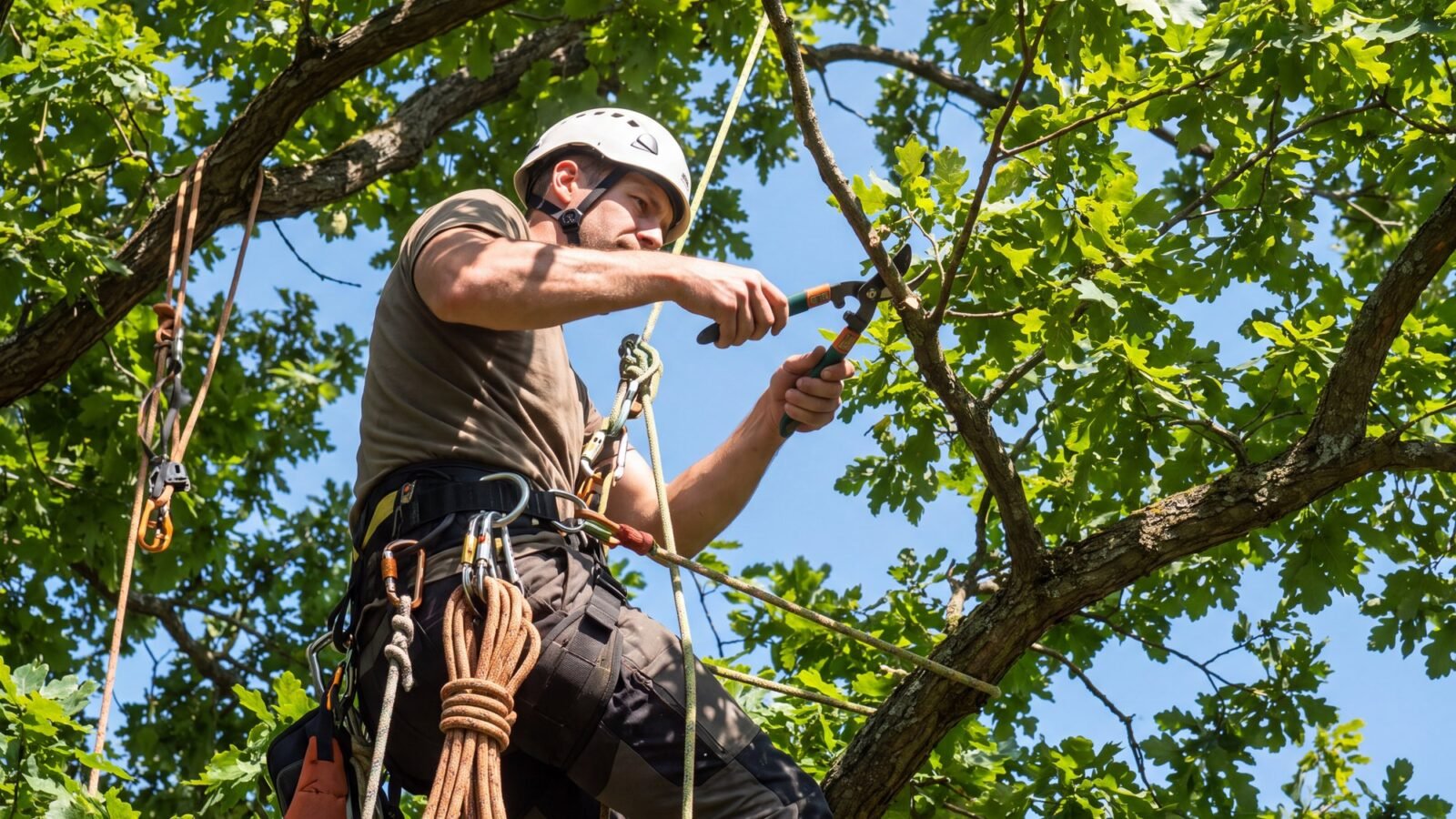
Correct pruning does more than tidy a tree: it removes deadwood before it falls, opens the canopy to reduce wind and ice load, and directs growth away from your roofline and wires. Our climbers work to ANSI A300 pruning standards on every job.
We prune ornamentals, shade trees, and fruit trees on a schedule that fits your property, with debris chipped and hauled the same day.
We Handle in Pendleton
- Crown thinning & canopy raising
- Deadwood & hazard limb removal
- Storm and wind load reduction pruning
- View, sun, and clearance pruning
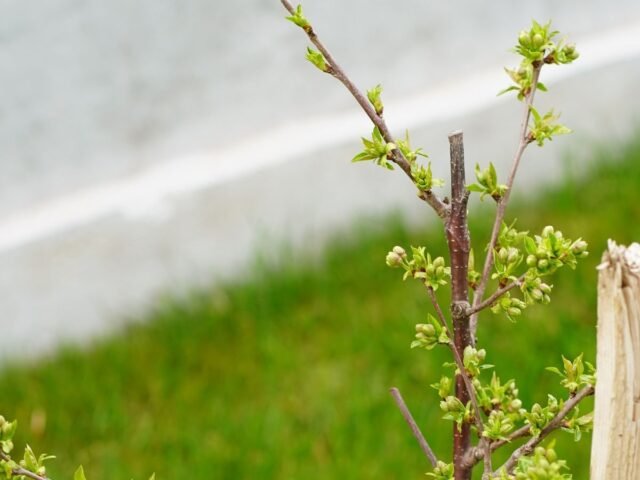
- Young tree structural training
Common Questions
Can you prune near power lines in Pendleton?
We handle line clearance pruning regularly in Pendleton and will loop in the utility company whenever a job requires it.
How often should trees be trimmed in Pendleton?
Most shade trees in Pendleton benefit from pruning every 2 to 3 years; young trees and fruit trees often need annual attention.
Will pruning hurt my tree in Pendleton?
No, not when it is done right. Our Pendleton crews follow ANSI A300 standards and will not top a tree, a practice that weakens it long term.