Pruned for health, not just looks
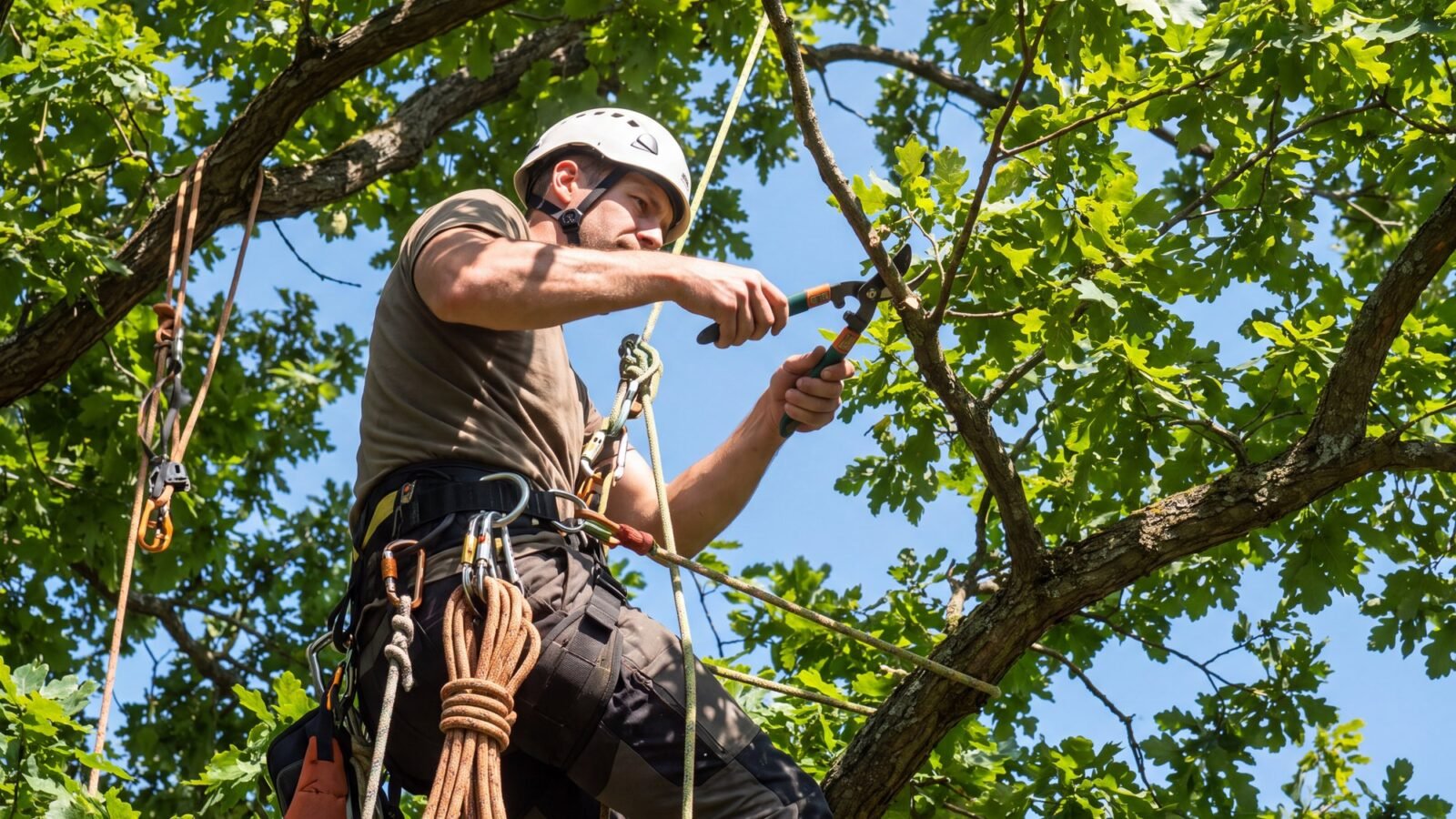
Correct pruning does more than tidy a tree: it removes deadwood before it falls, opens the canopy to reduce wind and ice load, and directs growth away from your roofline and wires. Our climbers work to ANSI A300 pruning standards on every job.
We prune ornamentals, shade trees, and fruit trees on a schedule that fits your property, with debris chipped and hauled the same day.
Our Tree Trimming & Pruning Services
- Crown thinning & canopy raising
- Deadwood & hazard limb removal
- Storm and wind load reduction pruning
- View, sun, and clearance pruning
- Young tree structural training
What It Looks Like
01. Health Check
We assess structure, disease, and hazard limbs before touching a saw.
02. Certified Pruning
Cuts made to ANSI A300 standards to protect long term tree health.
03. Debris Chipping
Brush chipped on site; wood hauled or left as requested.
04. Cleanup & Walkthrough
We walk the property with you before we leave.
Common Questions
What is the difference between tree pruning and tree trimming?
Trimming shapes shade and fruit trees on a schedule that fits your property, while pruning focuses on health and structure. Our climbers use ANSI A300 standards to clear deadwood, reduce weight, and direct growth away from roofs and power lines.
How often should trees be trimmed or pruned?
Most shade trees need pruning every 3 to 5 years, depending on species, location, and structural growth. Regular scheduling clears deadwood, reduces weight, and keeps branches growing safely away from your roof, power lines, and property structure.
Will trimming or pruning hurt my tree?
No, proper pruning following ANSI A300 standards protects and improves tree health. Our professional climbers prune to clear deadwood and shape growth correctly, avoiding damaging practices like tree topping that weaken branches or compromise tree structure.
Can you trim trees near power lines and roofs?
Yes. Our climbers work safely around power lines, roofs, and structures. We trim and direct growth away from utility lines and buildings, clear hazardous limbs, and eliminate structural risks across Buffalo, Rochester, and Batavia properties.
What services are included in tree trimming and pruning?
Every job includes a health check, certified pruning according to ANSI A300 standards, on-site debris chipping, and full cleanup. We handle crown thinning, canopy raising, deadwood removal, structural shaping, clearance trimming, and storm damage reduction.
What happens to the branches and debris after tree trimming?
All limbs and branches are chipped on site as part of our process. Our team completes a thorough final cleanup, rakes and clears the work area, and performs a final walkthrough with you before leaving your property.
How do I get a free quote for tree trimming in Buffalo, Rochester, or Batavia?
You can request a free estimate by calling (716) 517-4157 or using the online quote form. Our team performs an initial health check of your tree’s structure before pruning to provide an accurate project assessment.
How do you evaluate tree health before pruning?
We begin every project with a comprehensive health check. Our team inspects the tree’s structure, identifies disease or decay, and assesses overall hazards before touching a saw to ensure pruning supports long-term health.
Why choose TreeCraft Tree Service for tree trimming and pruning in Buffalo, Rochester, and Batavia?
TreeCraft uses trained climbers following ANSI A300 standards for certified pruning without harmful topping. We provide full on-site chipping, complete site cleanup with a final walkthrough, free estimates, and 24/7 emergency response across Western New York.